The Many Expressions of Pride
June 10, 2026

Avery Zerr ’26. Photo by Lee Gumbs
In celebration of Pride Month, USC Kaufman students reflect on the power of identity — how pride fuels creative expression, empowerment, and inclusivity within the arts.
What does Pride look or feel like to you – inside and outside the studio?
Trey Gordon ’29: To me, Pride feels like taking up space without shrinking myself. As a gay black 18 year old Dance Major, the studio can sometimes feel like a place where I’m constantly aware of how I’m being seen or perceived, but Pride is when I stop performing for that gaze and just move honestly. In the studio, it looks like trusting my voice in the room, even when I’m still learning, and letting my movement reflect who I am instead of trying to fit a certain mold. Outside of class, Pride feels more personal, it’s in how I carry myself through life, knowing I belong in spaces where I might not always be expected. It’s also in connecting with other artists who understand that dance is not just technique, but a piece of your identity. Pride for me, is about being visible unapologetically, while still growing into who I’m becoming as a person and a dancer.

How does identity influence your artistic voice? In turn, how does dance contribute to the embracing of identity and authentic expression?
Belly Laird ’27: As a queer and trans person of color, I bring disruption to every space I enter simply by occupying it. Knowing this, I use dance to wholeheartedly embrace this disruption: I root my artistic practices in my own lived experiences and am ever-inspired by the communities before me, around me, and after me. When I choreograph and create, I do so with a special focus on markedly queer ways of being, using movement as a way of digesting and alchemizing these often harsh bodily and emotional realities. My work is as much of an artistic and performative practice as it is an exercise in my own healing and vulnerability; when I dance, I stand nakedly before an audience of strangers and allow myself to be listened to. For a body like mine, it is an act of protest, always.

What makes a dance environment feel truly inclusive and empowering to you?
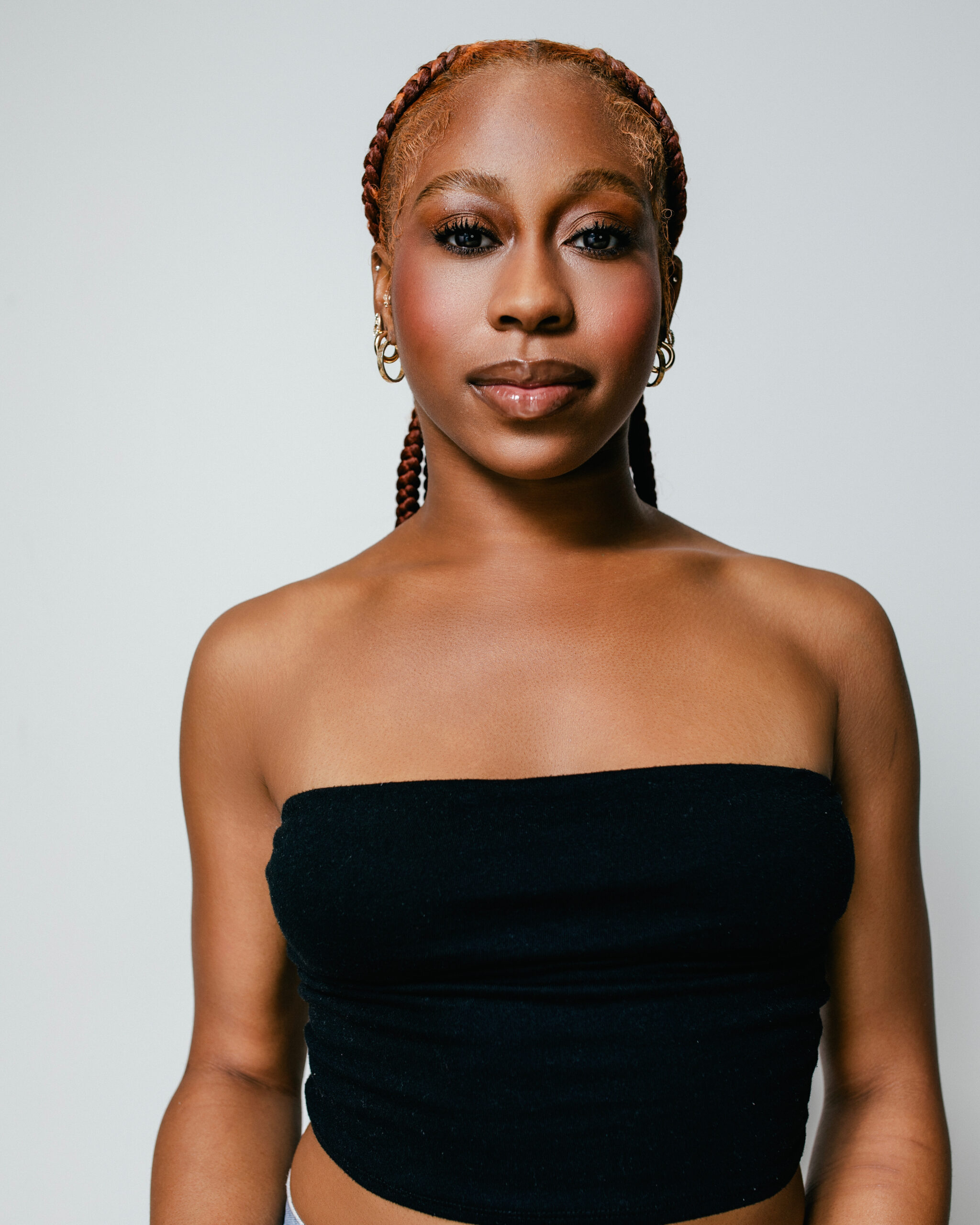
Hannah Robertson ’28: Many people overlook this, but for me, eye contact is what makes a dance environment feel truly inclusive and empowering. When dancers acknowledge each other through something as simple as a glance, it creates a sense of connection that goes beyond the space we encompass. Eye contact transforms the room from a collection of individuals into a living, breathing organism, where each person is both a witness and a storyteller. As an artist, I am exploring what it means to be seen and to truly see others in return. To meet someone’s gaze in motion is to say, “I am here with you,” without interrupting the flow of the dance. In those moments, vulnerability becomes a kind of strength and presence becomes a form of care. The space softens and becomes less about judgment and more about understanding.
What has it meant to find community at USC Kaufman? How has this shaped your expression of identity?
Anthony Picarello ’27: Coming into the community at USC Kaufman has felt like a metamorphosis of finding my own voice and individuality. Growing up, I never felt like I had a space where I could exist and express how I felt internally – be surrounded by others who understand the deepest parts of me without a word spoken. USC Kaufman has given me the space to become who I always knew I was or wanted to be. In a network of people that thrive on creativity and inspiration, I found myself always being pushed to learn more, experiment more, and reflect more. All of this has made me less afraid of my queerness and has allowed me to push the boundaries of my own identity through fashion and other facets, finding what “me” feels like. Feeling the solidarity and assurance of people who have similar experiences has made me a better dancer and human, and makes me proud to be who I am.
What improvements or adjustments do you dream of seeing within the global dance community, aimed at expanding LGBTQ+ representation and inclusivity?
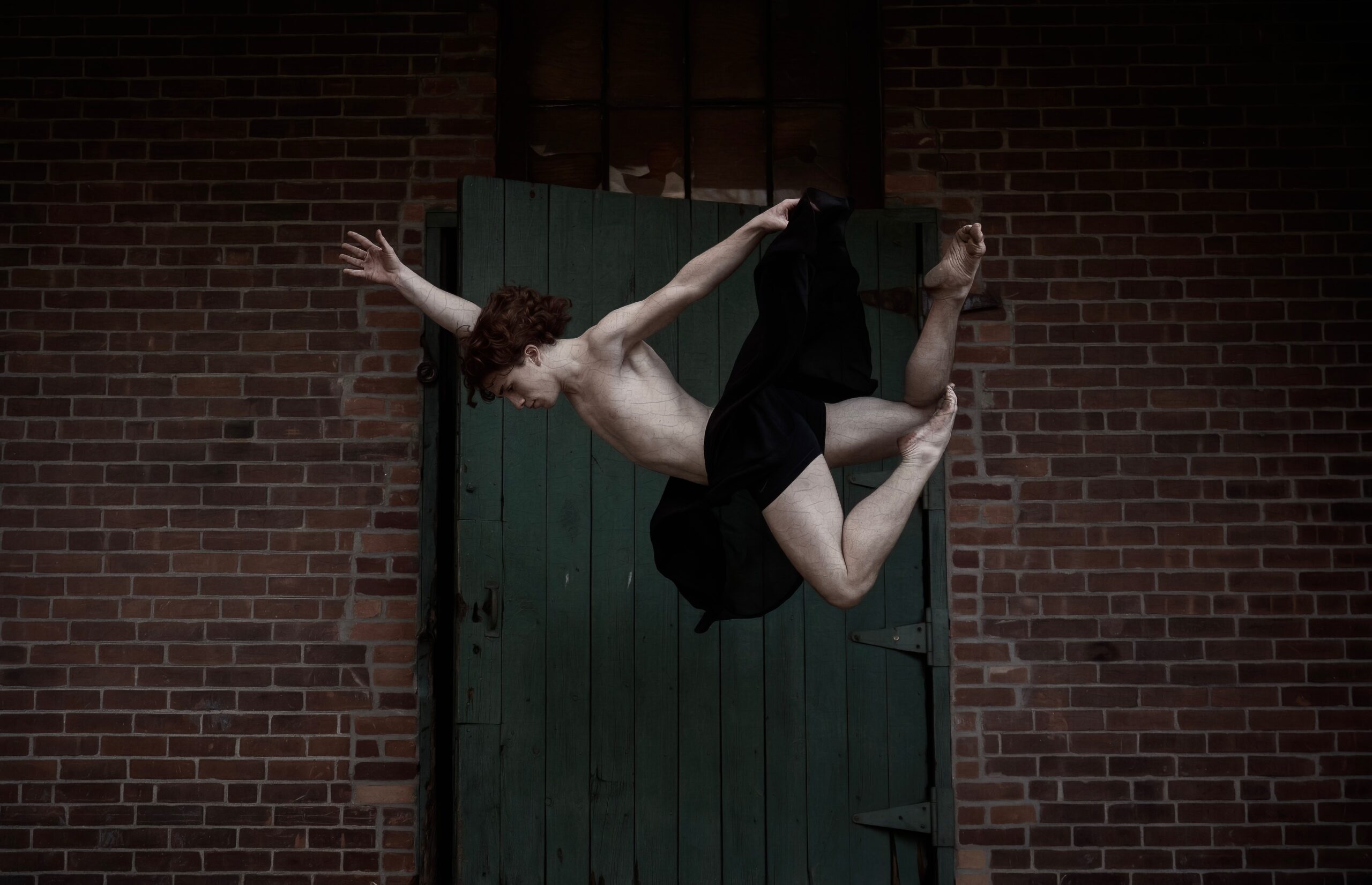
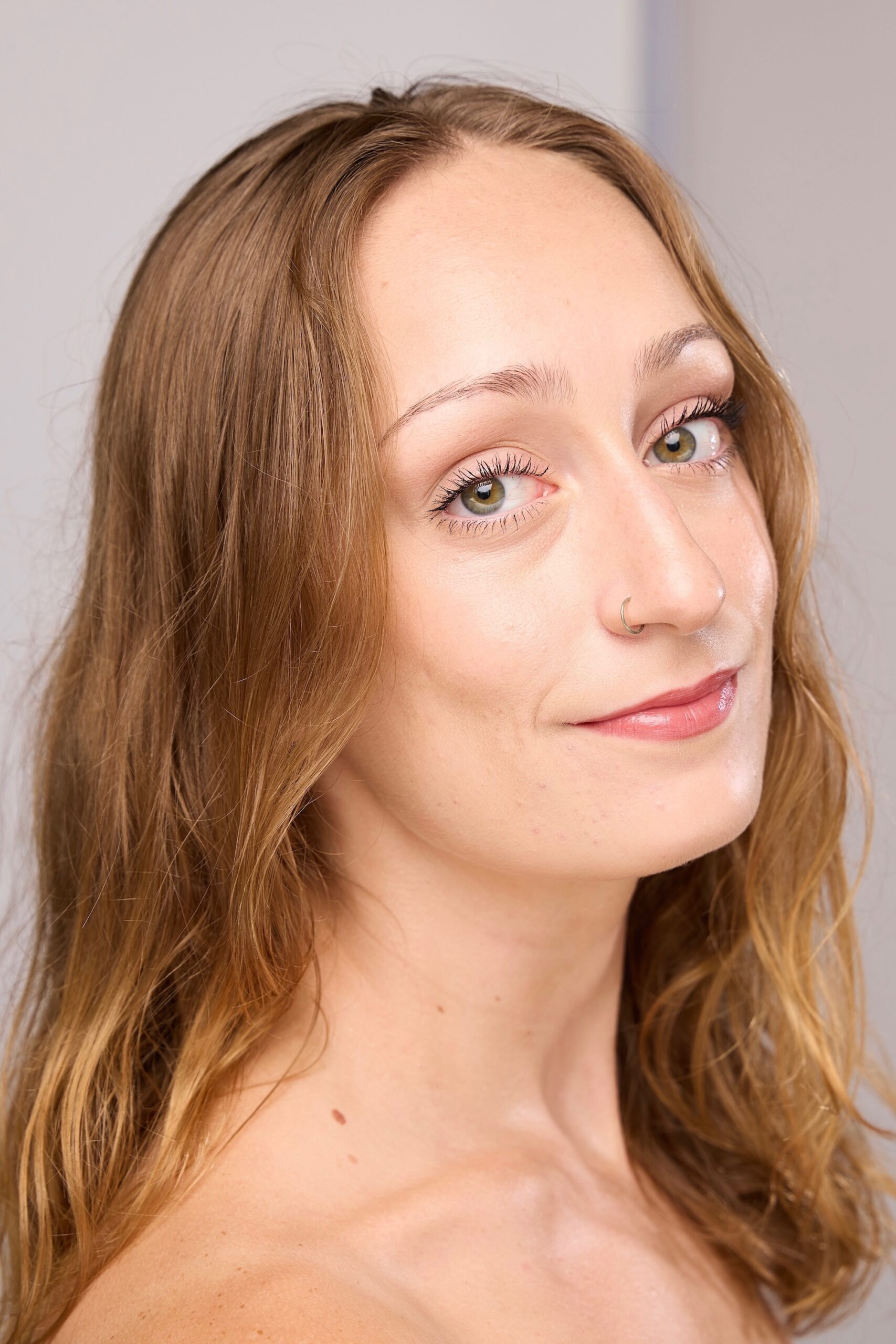
Avery Zerr ’26: I wish one day to see inclusivity exist as an unquestioned foundation rather than the central headline. Love and connection transcend orientation, and the more expansive the representation becomes, the more experiences we all get to witness, learn from, and relate to. Dance has such a unique ability to communicate emotion beyond language, so it has the power to normalize queer experiences simply by presenting them with honesty and depth. I hope for a future where queer representation in dance is so common and integrated that audiences can engage with a work primarily for its substance, artistry, and emotional resonance.
Quick Takes
One queer artist that inspires you
- Gordon: “Darius Hickman”
- Laird: “Bernice Bing & Patty Chang”
- Robertson: “Amaarae”
- Picarello: “Moses Sumney”
- Zerr: “Evan Dixon & Audre Lorde”
To you, Pride Month is
- Gordon: “Liberating”
- Laird: “Rainbow”
- Robertson: “Electric”
- Picarello: “Self-Love”
- Zerr: “Joy!”
Advice you would give to your younger self
- Gordon: “Keep smiling. Laugh, cry, and don’t be afraid to take up space. People will always have something to say or an idea of who you should be, but you’re the only one who gets to decide who you are, and you get to do it on your own timeline.”
- Laird: “You’re so fortunate to grow up in such an accepting and diverse place. Never take that for granted.”
- Robertson: “Never lose your curiosity! Keep asking, exploring, and imagining beyond what you’re told is possible. Stay loud and unapologetic, even when the world tries to quiet you through hardship. Your voice is not too much, it’s your power!”
- Picarello: “You are worthy of love exactly as you are!”
- Zerr: “Your community and peers are here to support you! Life doesn’t have to be so rigid.”